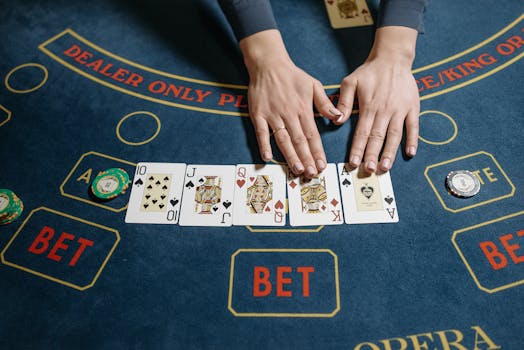
Blackjack, often called “21,” is more than just a game of luck. It’s one of the very few casino games where player decisions can actively influence the outcome. For this reason, countless players have spent decades perfecting their blackjack tactics, seeking to minimize the house edge and maximize their chances at the table. But what does it really take to achieve success in blackjack? This article delves into the core strategies, practical tactics, and key statistical insights that can help any player—novice or experienced—sharpen their skills and boost their odds.
The Foundation of Blackjack Success: Understanding the House Edge
Before diving into strategies, it’s essential to grasp the concept of the “house edge”—the statistical advantage the casino holds over players. In most standard blackjack games, the house edge with basic strategy is as low as 0.5%. However, this edge can balloon to over 2% (or more) when players make decisions based on hunches instead of sound strategy.
For comparison, here’s how blackjack’s house edge stacks up against other popular casino games:
.png)
| Casino Game | Typical House Edge |
|---|---|
| Blackjack (Basic Strategy) | 0.5% |
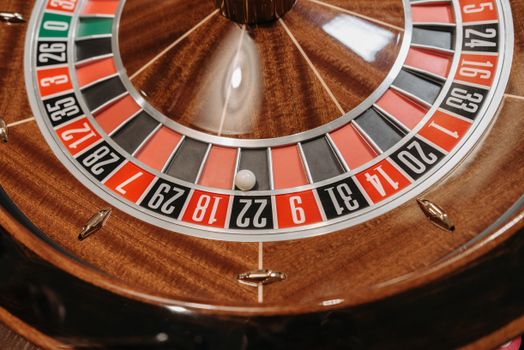
| Roulette (European) | 2.7% |
| Craps (Pass Line Bet) | 1.41% |
| Slot Machines | 2% - 10%+ |
| Baccarat (Banker Bet) | 1.06% |
As shown above, blackjack offers a uniquely low house edge—if you play correctly. Understanding this baseline is the first step to success.
Mastering Basic Blackjack Strategy: The Essential Chart
The most critical tool in any blackjack player’s arsenal is the “basic strategy chart.” This chart, developed through computer simulations analyzing millions of hands, offers the statistically optimal action (hit, stand, double down, split, or surrender) for every possible player hand versus dealer upcard.
For example, with a player hand of 16 against a dealer’s 10, basic strategy recommends hitting, even though it feels risky. The logic is simple: your odds of busting are high, but your odds of losing by standing are even higher, since the dealer is likely to beat your 16. Trusting the math—over emotions—is key.
A few basic strategy “golden rules”:
- Always split Aces and 8s, but never split 5s or 10s. - Double down on 11, unless the dealer shows an Ace. - Stand on 12-16 if the dealer shows 2-6 (dealer likely to bust). - Hit on 12-16 if the dealer shows 7-Ace.Using basic strategy reduces the house edge to its minimum. In fact, studies show that players who consistently apply basic strategy win 44% of hands, lose 48%, and push on 8%—a much closer margin than relying on instinct.
Card Counting: Separating Myth from Reality
Popularized by books and films, card counting is often considered the “holy grail” of blackjack. But what is it, and is it practical for most players?
Card counting involves tracking the ratio of high to low cards left in the deck. Since 10s and Aces favor the player (making blackjacks and doubling opportunities more likely), knowing when the deck is “rich” in these cards allows players to increase their bets at the right time.
The most common system, the Hi-Lo count, assigns +1, 0, or -1 to each card value. If the running count is high, the player raises their bet; if it’s low, they bet the minimum. In a single-deck game, expert counters can flip the house edge in their favor by up to 1%.
However, real-world obstacles abound:
- Most casinos use multi-deck shoes (6-8 decks), making counts harder. - Automatic shufflers and frequent reshuffling reduce counting effectiveness. - Card counting requires intense concentration and practice.Despite these challenges, card counting remains legal—though casinos reserve the right to refuse play or bar counters. For most casual players, focusing on basic strategy yields better results with less stress.
Bankroll Management: The Unsung Hero of Winning Blackjack
No matter how skilled you are, swings in blackjack are inevitable. Even with perfect strategy, you can expect long losing streaks—simply due to variance. That’s where bankroll management comes in.
Key tips for managing your blackjack bankroll:
- Set a session budget and stick to it. Experts recommend never risking more than 1-2% of your total bankroll on a single hand. - Use consistent bet sizing. Avoid the “martingale” system (doubling after each loss), as it can quickly deplete your funds. - Take breaks and set win/loss limits. Decide in advance when you’ll walk away—win or lose.A 2017 study found that players who followed strict bankroll rules enjoyed sessions 30% longer on average and reported higher satisfaction—even when they lost. Proper money management is not glamorous, but it is absolutely essential for long-term success.
Table Selection and Game Variations: Maximizing Your Advantage
Not all blackjack tables are created equal. The rules of the game can vary greatly, and even small changes can significantly impact your odds. Knowing what to look for can give you a real edge before you even play your first hand.
Key game rules to seek out:
- Payout for blackjack: Always choose tables that pay 3:2 for a natural blackjack. Avoid 6:5 tables, as they increase the house edge by up to 1.4%. - Dealer stands on soft 17: This rule is better for players than if the dealer hits on soft 17. - Double after split allowed: Permits more flexibility and higher returns. - Fewer decks: Single-deck games have a lower house edge than 6- or 8-deck games.Here’s a quick overview of how these rules affect the house edge:
| Rule Variation | House Edge Impact |
|---|---|
| Blackjack pays 6:5 instead of 3:2 | +1.39% |
| Dealer hits on soft 17 | +0.22% |
| No double after split | +0.14% |
| 8 decks instead of 1 | +0.61% |
Choosing the right table can mean the difference between a fair shot and a losing battle.
Advanced Tactics: Using Surrender and Side Bets Wisely
Beyond basic strategy, some games allow players to “surrender” (forfeit half the bet and end the hand) or make side bets like “insurance” or “perfect pairs.” Should these be part of your arsenal?
- Surrender: Early surrender (before the dealer checks for blackjack) is rare, but late surrender can be smart in specific situations, such as a hard 16 versus a dealer 10. Used correctly, it can shave 0.08% off the house edge. - Insurance: This side bet pays 2:1 if the dealer has blackjack. Statistically, it’s a poor bet for non-counters, increasing the house edge by over 5%. - Other side bets (21+3, perfect pairs): While tempting, these bets carry high house edges (often 4% or more) and are best avoided if your goal is long-term profit.In short, use surrender sparingly and avoid side bets unless you’re playing for entertainment rather than profit.
Final Thoughts on Achieving Long-Term Success in Blackjack
Blackjack is a rare casino game where skill, discipline, and knowledge can truly tip the scales. By embracing basic strategy, understanding the impact of different rules, and managing your bankroll wisely, you can narrow the house edge to a razor-thin margin—and sometimes even gain a slight advantage.
It’s important to remember that no strategy guarantees a win every time. However, the combination of sound tactics and smart decision-making gives you the best possible chance for consistent success. Whether you’re playing for fun or aiming to beat the odds, the real secret to blackjack is treating it as a game of skill, not just chance.