The Psychology Behind Casino Games: An Intriguing Look
Casinos have captivated human imagination for centuries. From the glittering halls of Monte Carlo to the neon-lit streets of Las Vegas and the ever-expanding universe of online platforms, casino games are far more than just chance-based entertainment. What makes these games so compelling that millions of people worldwide return to play again and again? The answer lies deep within human psychology. By understanding the psychological principles behind casino games, we unlock not just how these games function, but why they are so powerfully appealing.
In this article, we’ll explore the fascinating psychological mechanisms that shape our experiences in casinos—both online and offline. We’ll dive into the science of reward, the clever use of sensory design, the role of decision-making biases, and the powerful social dynamics at play. By the end, you’ll have a new appreciation for how casinos expertly blend entertainment, emotion, and psychology to create an environment that’s uniquely irresistible.
The Allure of Uncertainty: Why Random Rewards Hook Us
At the heart of every casino game is uncertainty. Whether spinning a roulette wheel, dealing a hand of blackjack, or triggering a slot machine, the outcome is never guaranteed. But why does this unpredictability keep us engaged?
.png)
The answer lies in what psychologists call the "variable-ratio reinforcement schedule." This principle, first studied by behavioral psychologist B.F. Skinner, refers to rewards given at unpredictable intervals. In experiments, Skinner found that animals (and people) respond most vigorously to rewards that are random, rather than predictable. The anticipation of a possible reward releases dopamine, a neurotransmitter linked to pleasure and motivation.
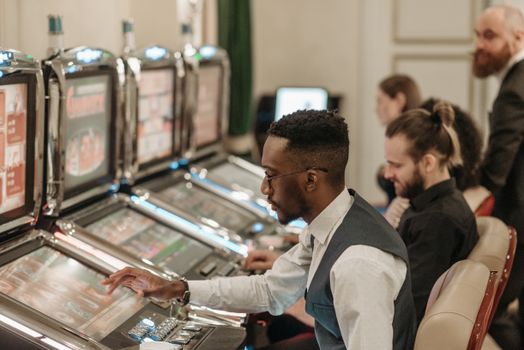
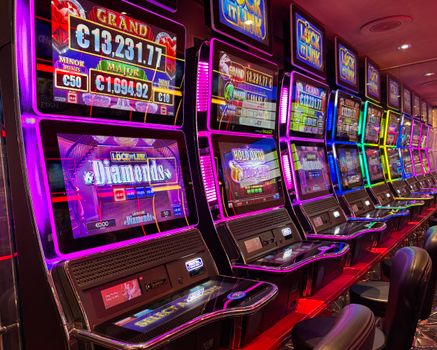
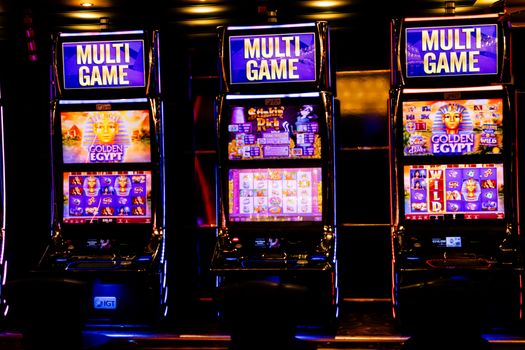
Slot machines are a perfect example. Players never know when the next big payout will come, so every spin is filled with suspense. A 2010 study published in Neuron found that near-miss outcomes—when a player almost wins—activate the same brain regions as actual wins, fueling the urge to keep playing. This is why slot machines in the United States generated over $23 billion in revenue in 2022 alone, according to the American Gaming Association.
Sensory Engineering: How Casinos Trigger Our Senses
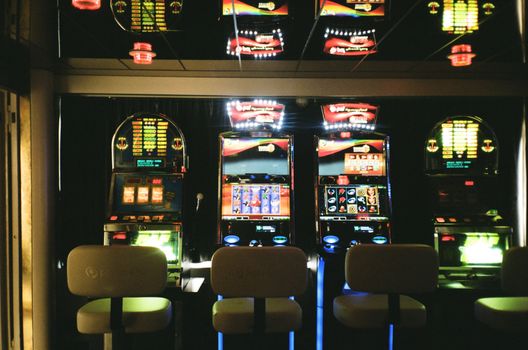
Step inside any casino, and you’ll be greeted by a symphony of lights, sounds, and colors. These sensory cues aren’t just for show—they’re meticulously designed to enhance engagement and stimulate excitement.
Bright colors like red and gold are commonly used because studies show they increase heart rate and evoke feelings of energy and celebration. The constant chiming, ringing, and jingling sounds mimic the auditory cues of winning, even when players are losing. A 2013 study from the University of Waterloo demonstrated that winning sounds lead players to overestimate how often they actually win.
Casinos also make strategic use of scent. The Las Vegas Hilton reported a 45% increase in slot machine revenue after introducing a signature fragrance into their gaming areas. Comfortable seating, ambient lighting, and labyrinthine layouts all contribute to an environment where players easily lose track of time and feel compelled to stay longer.
Decision-Making Biases: How Our Minds Are Tricked
Casinos rely on subtle psychological biases that affect our decision-making, often without us realizing it. Here are some of the most influential:
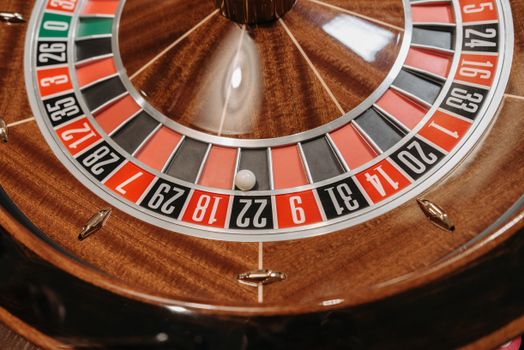
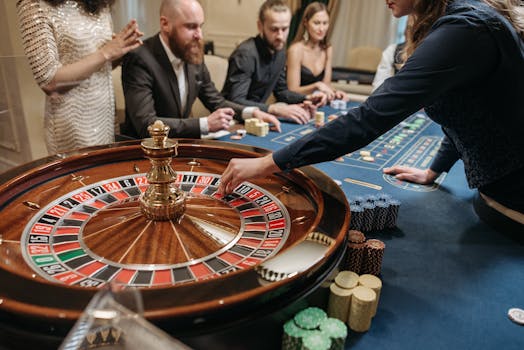
- The Gambler’s Fallacy: This is the mistaken belief that past outcomes affect future probabilities. For example, after a roulette wheel lands on black several times in a row, players may believe red is "due," even though each spin is independent. - Illusion of Control: Casino games like craps allow players to throw the dice themselves, giving a false sense of influence over random outcomes. Research has shown that people bet more when they feel in control, even if the odds remain the same. - Loss Aversion and Chasing Losses: Psychologically, losing feels worse than winning feels good. This leads to "chasing losses," where players continue gambling to recover past losses, often digging a deeper hole.These biases are not only well-documented but also universal. In 2021, the UK Gambling Commission found that 47% of regular casino players admitted to chasing losses at least once, illustrating just how pervasive these psychological traps can be.
Social Dynamics: The Influence of Others in the Casino
Contrary to the stereotype of the solitary gambler, many casino games are inherently social experiences. Poker tables, craps games, and sports betting areas all foster a sense of community and camaraderie. Why does this matter psychologically?
- Social Proof: When we see others winning or having fun, we’re more likely to join in. Casinos often highlight big winners and create a buzz around jackpot payouts to amplify this effect. - Competition and Status: Games like poker introduce elements of skill and social status. Winning against other real players is a powerful motivator, tapping into our natural desire for recognition and achievement. - Group Momentum: A 2018 study by the University of British Columbia found that people are more likely to take risks when gambling in groups, as collective excitement lowers individual inhibitions.In the online casino world, live dealer games and interactive chat features strive to replicate these social dynamics, making even remote play feel like a shared experience.
Comparing Game Types: Psychological Hooks at a Glance
Not all casino games affect us the same way. The psychological mechanisms vary depending on the game’s structure, pace, and level of skill involved. The table below compares the key psychological hooks of popular casino games:
| Game Type | Main Psychological Hook | Skill vs. Chance | Social Interaction |
|---|---|---|---|
| Slot Machines | Variable rewards, sensory stimulation, near-misses | Chance | Low |
| Blackjack | Illusion of control, decision-making, near-misses | Skill & Chance | Medium |
| Poker | Competition, social proof, strategic thinking | Skill | High |
| Roulette | Gambler’s fallacy, anticipation, visual spectacle | Chance | Medium |
| Craps | Group excitement, illusion of control, streaks | Chance | High |
As the table shows, casino games employ a blend of psychological tactics tailored to different player preferences, whether it’s the solitary thrill of slots or the competitive energy of poker.
The Role of Responsible Gambling: Balancing Fun and Risk
While the psychological appeal of casino games is undeniable, it’s important to recognize the potential for harm. The same mechanisms that make games exciting can also lead to compulsive gambling in vulnerable individuals.
Globally, it’s estimated that around 1-3% of adults experience gambling problems. In the United States, the National Council on Problem Gambling reports that about 2 million people meet the criteria for severe gambling addiction, with another 4-6 million considered at-risk.
To address these concerns, casinos and online platforms are increasingly adopting responsible gambling measures, such as:
- Self-exclusion programs - Deposit and loss limits - Reality checks and time-outs - Prominent display of helpline informationUnderstanding the psychological underpinnings of casino games can empower players to enjoy them as entertainment, while staying mindful of the risks. Responsible gambling education—sometimes delivered through interactive quizzes or personalized feedback—can help counteract cognitive biases and promote healthier gaming habits.
Conclusion
The enduring popularity of casino games is no accident. Behind every spin, shuffle, and roll lies a sophisticated blend of psychological principles designed to captivate, entertain, and engage. From the thrill of the unknown to the pulse-pounding excitement of sensory engineering, these games appeal to some of our most basic instincts and desires. By unraveling the psychology behind casino games, we gain not only a deeper appreciation for their design, but also valuable insights into human nature itself.
Whether you’re a casual player or a curious observer, understanding these psychological forces can enhance your enjoyment and help you play smarter. And as the world of casinos continues to evolve—especially with the rise of online gaming—these insights remain as relevant as ever.