Understanding the Odds: A Comprehensive Guide to Casino Games
Gambling has fascinated people for centuries, blending excitement, risk, and the tantalizing possibility of big wins. Yet, beneath the glittering lights and energetic ambience of casinos lies a world governed by mathematics—specifically, the odds. Whether you’re a casual player or a seasoned casino enthusiast, understanding the odds is crucial to making informed decisions, maximizing entertainment, and managing expectations. This comprehensive guide dives deep into the mechanics of odds in casino games, demystifies common misconceptions, and provides a clear-eyed view of your chances against the house.
The Science of Casino Odds: How Probabilities Shape Every Game
At the heart of every casino game is a set of mathematical probabilities—odds that determine how likely you are to win or lose on any given bet. Unlike pure chance, these odds are meticulously calculated to tilt the advantage, known as the "house edge," in favor of the casino. The house edge represents the average percentage of each bet that the casino expects to keep over time.
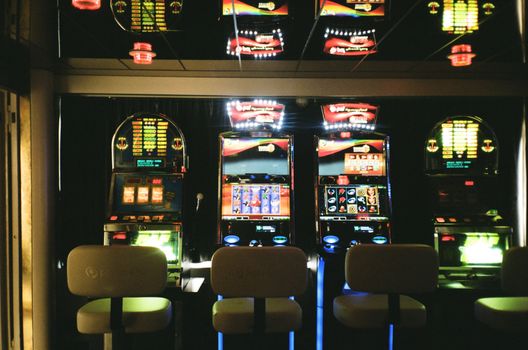
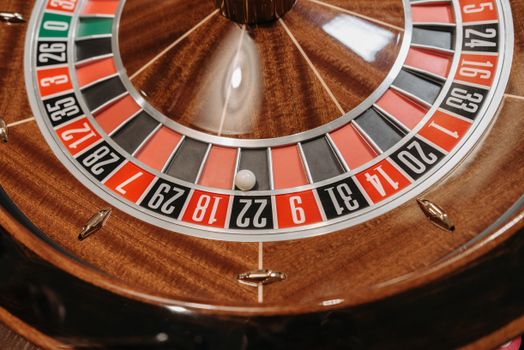
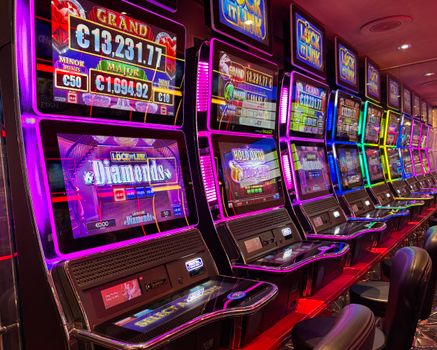
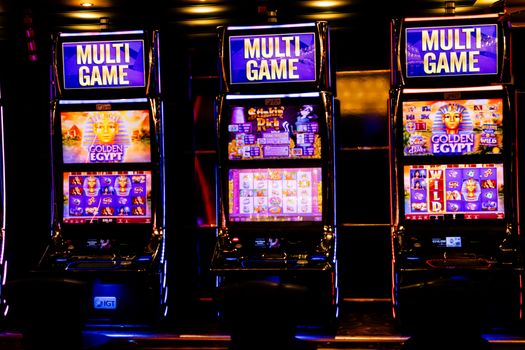
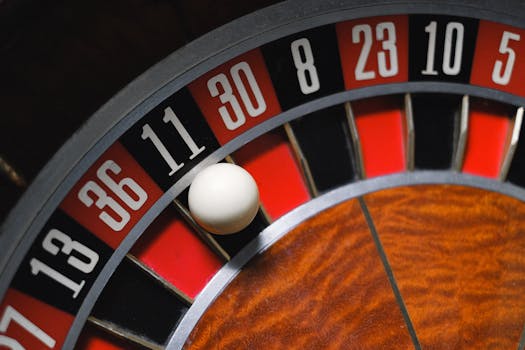
For example, in American roulette, the house edge is about 5.26%, while in European roulette it’s roughly 2.7%. This means that, on average, for every $100 wagered in American roulette, the casino expects to keep $5.26. Slot machines, on the other hand, can have house edges ranging from 2% to over 10%, depending on the game design and payout structure.
.png)
Understanding these numbers helps explain why casinos are profitable in the long run, even though players do sometimes walk away with big wins. Odds are not designed to prevent wins, but to ensure that, over thousands of plays, the casino maintains a consistent profit margin.
Game-by-Game Breakdown: Odds and House Edge in Popular Casino Games
Not all casino games are created equal when it comes to odds. Some games offer players a fighting chance, while others heavily favor the house. Here’s a closer look at the expected odds and house edge for some of the most popular casino games:
| Game | House Edge (%) | Odds of Winning (approx.) | Skill Factor |
|---|---|---|---|
| Blackjack | 0.5-2.0 | 42-49% | High |
| Roulette (European) | 2.7 | 48.6% | Low |
| Roulette (American) | 5.26 | 47.4% | Low |
| Slot Machines | 2-15 | Varies | None |
| Baccarat (Banker bet) | 1.06 | 45.8% | None |
| Craps (Pass Line) | 1.41 | 49.3% | Low |
| Poker (vs. players) | 0% (rake applies) | Varies | Very High |
As shown in the table, games like blackjack and baccarat (when played optimally) offer some of the best odds for players. Skill-based games, such as poker, can even eliminate the house edge entirely, though casinos take a small "rake" from each pot. In contrast, slot machines often have much higher house edges and no skill component, making them less favorable from an odds perspective.
Randomness vs. Predictability: Dispelling Common Myths
One of the most persistent myths in gambling is that you can “beat” the odds with lucky streaks or betting systems. In reality, every spin of the roulette wheel, roll of the dice, or pull of the slot machine lever is independent—governed by a random number generator (RNG) or pure chance. Past outcomes do not influence future ones.
For example, the "Gambler’s Fallacy" is the belief that if roulette lands on black five times in a row, it’s "due" to land on red next. Statistically, the odds remain the same on each spin: 18/37 for red in European roulette, unaffected by past results.
Casinos invest heavily in technology to ensure true randomness and fairness, especially in regulated jurisdictions. Slot machines, for instance, use certified RNGs that produce billions of number sequences per second. This ensures outcomes are unpredictable and non-repeatable, making each game a unique event.
Volatility and Payouts: What They Mean for Your Casino Experience
While house edge tells you the long-term expected loss, "volatility" (or variance) describes how much the outcomes can swing in the short term. High-volatility games, like certain slots or roulette, can result in large wins or losses over a short period, but tend to be less predictable. Low-volatility games, like baccarat or blackjack, offer more consistent, smaller wins and losses.
Payout rates, or "return to player" (RTP), are another crucial factor. RTP is the percentage of all wagered money that a game will pay back to players over time. For example, a slot machine with an RTP of 96% will, on average, pay back $96 for every $100 wagered, but this is calculated over millions of spins.
Understanding both volatility and payout rates can help you choose games that match your risk tolerance and entertainment preferences. For instance, if you enjoy the possibility of big jackpots, high-volatility slots might appeal to you. If you prefer a steadier, less risky experience, games with lower volatility and higher RTPs are your best bet.
Betting Systems and Strategies: What Works and What Doesn’t
Many players are drawn to betting systems like the Martingale or Fibonacci, hoping to outsmart the house. These systems generally involve increasing your bet after each loss, aiming to recoup losses with a single win. While they may create the illusion of control, no betting system can alter the fundamental odds of a game.
For instance, the Martingale system in roulette suggests doubling your bet after each loss. However, this approach runs into practical problems: table limits, finite bankrolls, and the ever-present house edge. Statistically, the risk of a long losing streak wiping out your funds outweighs the potential for small, incremental wins.
What can help is learning optimal strategy in skill-based games. In blackjack, for example, using basic strategy can reduce the house edge to as low as 0.5%. In poker, understanding probability, psychology, and game theory can give skilled players a significant edge over less experienced opponents. But in games of pure chance, no system or strategy can consistently beat the house over time.
The Psychology of Odds: How Casinos Influence Perception and Play
Casinos are masters at creating an environment where the odds feel less daunting. Through clever design, sensory stimulation, and game structure, they encourage prolonged play. For example, near-miss outcomes on slot machines (where symbols almost line up for a jackpot) can trigger the same excitement as a win, even though the odds haven’t changed.
A 2022 study by the University of Nevada found that players significantly overestimate their chances of winning after experiencing near-misses, leading to longer play sessions and increased spending. Similarly, small, frequent wins on slots help maintain the illusion of being "close" to a big win, making the experience more engaging.
Understanding the psychological tricks at play can help you approach casino games with a more rational mindset. Setting limits, recognizing the built-in advantages, and viewing gambling as entertainment rather than a money-making venture are the best ways to enjoy yourself responsibly.
Making Informed Choices: How to Use Odds to Your Advantage
Armed with knowledge about house edge, volatility, and payout rates, players can make smarter choices at the casino. Here are a few practical steps:
1. Choose games with the lowest house edge, such as blackjack or baccarat, when possible. 2. Learn and use basic strategy in skill-based games to maximize your chances. 3. Avoid chasing losses with betting systems—focus on entertainment, not guaranteed wins. 4. Pay attention to volatility and RTP to match your risk and enjoyment preferences. 5. Set a budget and stick to it; treat any winnings as a bonus, not a guaranteed outcome.The key takeaway is this: while the odds always favor the house in the long run, understanding how they work empowers you to play smarter, have more fun, and avoid the pitfalls of wishful thinking.