Progressive jackpots have become the glittering stars of both online and land-based casinos, promising life-changing payouts that can turn ordinary players into instant millionaires. But behind the flashing lights and ever-increasing prize pools lies a more complex reality. Is it truly worth playing progressive jackpots, or are they simply a dazzling distraction with slim odds? In this article, we’ll pull back the curtain and explore what you should know before you decide to chase these massive prizes.
The Allure of Progressive Jackpots: Why Players Are Drawn In
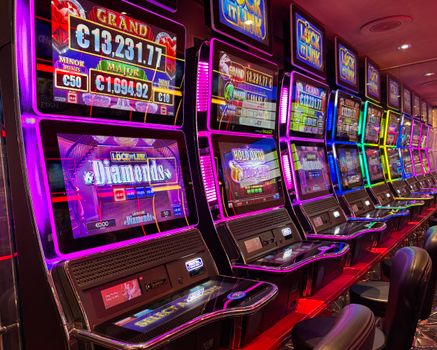
Progressive jackpots differ from regular fixed jackpots in one fundamental way: the jackpot amount keeps growing until it is won. Every time someone plays a progressive slot or game and doesn’t hit the jackpot, a small percentage of their wager is added to the pool. This means that jackpots can reach astronomical sums, sometimes exceeding millions of euros or dollars.
For example, the Mega Moolah slot is famous for awarding a record-breaking €19.4 million to a lucky player in 2021, while the Mega Fortune jackpot paid out €17.8 million in 2013. These headline-making wins fuel the dreams of thousands of players who imagine themselves as the next big winner.
.png)
But the ever-increasing jackpot isn’t the only attraction. Many progressive games feature vibrant graphics, engaging bonus rounds, and the tantalizing possibility that “it could happen to you.” The psychological impact of seeing a jackpot meter tick upward in real time can make it hard to resist spinning just one more time.
How Progressive Jackpots Work: Mechanics Behind the Magic
Understanding how progressive jackpots operate is essential before you commit your time and money. Here’s what happens behind the scenes:
1. $1 Every bet placed on a progressive game contributes a percentage (often 1-5%) to the jackpot pool. The rest of the wager goes to the base game, casino revenue, or smaller prizes. 2. $1 Some progressives are “standalone,” meaning only that machine or game feeds the jackpot. Others are “networked,” where dozens or even hundreds of machines in various locations combine their contributions. The latter allows for much larger jackpots. 3. $1 Hitting a progressive jackpot often requires playing at the maximum bet or activating a special bonus feature. For instance, in Mega Moolah, only the bonus wheel can award the main jackpot, and the odds are weighted by bet size. 4. $1 After a jackpot is won, the pool resets to a predetermined seed amount, which can still be significant (e.g., Mega Moolah’s base is €1 million).These mechanics are designed to fuel both excitement and rapid growth of the prize. However, they also mean that a significant portion of wagers is continually funneled away from regular payouts to feed the ever-growing jackpot.
Odds, Payouts, and House Edge: Crunching the Numbers
The dream of winning a multi-million-euro jackpot is intoxicating, but what are your actual chances? Let’s examine the numbers.
- $1 The specific odds vary by game, but for networked progressive slots like Mega Moolah or Mega Fortune, the chance of hitting the top prize is often between 1 in 50 million and 1 in 200 million per spin. To put that into perspective, the odds of being struck by lightning in your lifetime are about 1 in 15,300. - $1 Progressive jackpots tend to have a higher house edge than non-progressive games. For example, a typical slot may have a Return to Player (RTP) of 96%, while a progressive version may drop to 88-92%, with the difference funding the jackpot. - $1 Most progressive jackpots are won only a handful of times per year. For Mega Moolah, the average is about 8-10 major wins annually.Here’s a comparison table showing the difference between regular slots and progressive jackpot slots:
| Feature | Regular Slot | Progressive Jackpot Slot |
|---|---|---|
| Average RTP | 95% - 97% | 88% - 92% |
| Top Prize | Up to €10,000 | Often €1 million+ |
| Jackpot Odds | 1 in 10,000 – 1 in 100,000 | 1 in 50 million or more |
| Payout Frequency | Frequent small wins | Rare, massive wins |
These numbers highlight that while the potential rewards are massive, the chances of winning are extremely slim, and the overall return to player is usually lower.
Risk vs. Reward: Is Chasing a Progressive Jackpot Worth It?
So, is it wise to play progressive jackpots? The answer depends largely on your goals and expectations as a player.
- $1 If you enjoy the thrill of chasing a life-changing sum, playing progressives can be exciting and fun. The possibility, however remote, of winning millions adds an extra layer of excitement. - $1 If your aim is to maximize your chances of coming out ahead or minimizing losses, progressive jackpots are not the best choice. The lower RTP and astronomical odds mean that, statistically, most players will lose more over time compared to standard slots. - $1 Because many progressives require maximum bets to qualify for the jackpot, you may find your bankroll dwindling faster than expected. For example, a €0.25 slot may require a €2.50 max bet to be eligible for the jackpot. - $1 The “near-miss” phenomenon and the constantly increasing jackpot can encourage players to spend more than they intended, hoping to get lucky on the next spin.Ultimately, if you approach progressive jackpots as a form of entertainment—much like buying a lottery ticket for the fun of dreaming big—they can be worth it. But if you expect regular wins or a steady payout, they’re likely to disappoint.
Choosing the Right Progressive Jackpot: Factors to Consider
If you decide to play progressive jackpots, making smart choices can improve your experience and potentially boost your odds (even if only slightly):
1. $1 Always verify if you need to play the maximum bet to qualify for the jackpot. Some games allow jackpot wins at any bet level, but many require the max. 2. $1 Statistically, your “expected value” increases as the jackpot grows. Some savvy players track when a jackpot reaches an unusually high amount, which may slightly improve the value proposition. 3. $1 Not all progressives are created equal. Compare RTP rates and choose games with higher returns when possible. 4. $1 Local jackpots (specific to one casino) usually have better odds and are hit more frequently, though the prizes are smaller. 5. $1 Decide in advance how much you’re willing to spend. Treat progressive jackpot play as entertainment, not investment.Stories of Winners and Losers: Real-World Examples
Progressive jackpots have created some of the most memorable moments in gambling history. For instance, in October 2015, a British soldier won £13.2 million on a 25p bet playing Mega Moolah, instantly changing his life. In another case, a Finnish player won €17.8 million on Mega Fortune in 2013 after only a few spins.
However, for every winner, there are millions who walk away empty-handed. A 2022 study found that less than 0.001% of progressive slot players ever hit the top prize. Many players report chasing the dream for years without ever coming close, leading some to regret the money spent in pursuit of a jackpot.
Casinos and game providers also benefit tremendously from progressives. In 2023, progressive jackpot slots accounted for over 30% of online slot revenue, demonstrating their power to attract and retain players despite the long odds.
Smart Play and Responsible Gaming: Final Thoughts on Progressive Jackpots
Progressive jackpots are a double-edged sword in the world of casino gaming. On one hand, they offer the chance at life-changing sums and unforgettable excitement. On the other, they come with steep odds, lower average returns, and the risk of overspending in pursuit of a highly unlikely win.
If you decide to play, do so with your eyes open: understand the mechanics, manage your expectations, and set strict limits. Treat chasing progressives as a form of entertainment, not a financial strategy. And remember, the house always has the edge—so play smart, play for fun, and know when to walk away.