The Fascinating World of Virtual Reality Casinos: How Immersive Tech is Revolutionizing Gambling
The world of gambling has always been quick to embrace new technology, from the earliest mechanical slot machines to the rapid rise of online casinos. But today, a new frontier is capturing the imagination of both industry insiders and casual players alike: virtual reality (VR) casinos. These fully immersive environments are redefining what it means to play casino games online, offering new levels of realism, interactivity, and social connection. In this article, we’ll explore how VR casinos work, what sets them apart from traditional online gambling, and what the future may hold for this exciting fusion of technology and entertainment.
What Are Virtual Reality Casinos?
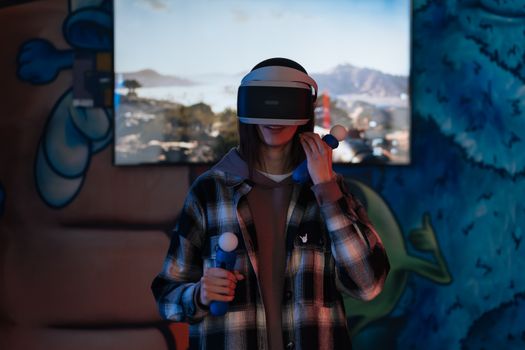
Virtual reality casinos are digital gaming environments that use VR technology to create an experience that closely mimics—or even exceeds—the atmosphere of a real-world casino. Using a VR headset, motion controllers, and sometimes additional accessories like haptic gloves, players can walk through casino lobbies, sit at tables, interact with dealers, and even chat with other players—all from the comfort of home.
.png)
Unlike traditional online casinos, which present games in a 2D interface viewed on a screen, VR casinos immerse users in a 360-degree, three-dimensional world. Players can look around, move their avatars, and manipulate objects as if they were physically present. In 2023, the global VR gambling market was valued at approximately $1.15 billion, and experts predict it could reach $4.7 billion by 2030, reflecting an average annual growth rate of over 22%. This rapid expansion is being fueled by advances in affordable VR hardware and the increasing quality of interactive gaming software.
Some popular VR casino platforms include PokerStars VR, SlotsMillion VR, and Vegas Infinite. These platforms offer a range of games such as poker, blackjack, roulette, and slot machines, all designed for immersive play. Many also feature social elements, allowing users to chat and interact with other players or animated dealers.
How Virtual Reality Casinos Differ from Traditional Online Casinos
While both VR casinos and traditional online casinos allow players to gamble remotely, their user experiences differ dramatically. Here’s a comparison of the two formats:
| Feature | Traditional Online Casino | Virtual Reality Casino |
|---|---|---|
| User Interface | 2D screens, mouse/keyboard navigation | 3D environments, VR headset, motion controls |
| Immersion | Limited; relies on graphics and sound | High; players feel “inside” the casino |
| Social Interaction | Text or video chat, often limited | Voice chat, real-time avatar interaction |
| Physical Interaction | Click to play; no tactile feedback | Manipulate chips/cards, gesture controls, possible haptic feedback |
| Accessibility | Requires only a computer or smartphone | Requires VR headset and compatible hardware |
| Game Selection | Thousands of games available | More limited, but growing |
The most striking difference is immersion. In a VR casino, you can stroll across a virtual floor, pick up chips, cheer as a friend hits blackjack, or even order a (virtual) cocktail. This level of detail helps recreate the social excitement and ambiance of a real casino, which many players miss when gambling online.
The Technology Behind the Magic: How VR Casinos Operate
The backbone of any VR casino is its combination of hardware, software, and network infrastructure. Here’s how these elements come together:
1. $1 Devices like the Meta Quest 2, HTC Vive, and PlayStation VR provide stereoscopic 3D visuals and head tracking. As of 2023, global VR headset sales reached 10.1 million units, a 15% increase over the previous year, making this technology more accessible than ever. 2. $1 Players use hand-held controllers—or, in advanced setups, haptic gloves—to interact with their environment. Haptic feedback simulates the feel of picking up chips or handling playing cards, further enhancing realism. 3. $1 Software platforms like Unity and Unreal Engine power the detailed graphics and responsive environments. These engines allow for real-time rendering of tables, avatars, and casino interiors. 4. $1 VR casinos rely on robust servers to manage multiplayer interactions, game logic, and real-time voice chat. This ensures smooth gameplay and seamless social experiences, even with players located around the world. 5. $1 Like traditional online casinos, VR platforms use encryption, random number generators, and regulatory oversight to ensure games are fair and player data is protected.The development costs for a high-quality VR casino can reach several million dollars, but the investment is paying off as more users flock to these new environments. According to a 2022 survey, 61% of regular online gamblers expressed interest in trying VR casinos, indicating significant potential for continued growth.
Social and Psychological Impact: Bringing the Casino Vibe Home
One of the most compelling aspects of VR casinos is their ability to foster social interaction and psychological engagement. In traditional online gambling, many players report feelings of isolation or detachment, which can dampen excitement and reduce time spent on the platform.
VR casinos address this by enabling real-time, avatar-based interaction. You can chat across a poker table, read body language (as expressed through avatars), and celebrate wins together. This creates a sense of community and belonging, which research shows can increase engagement and satisfaction. In fact, a 2021 study by Casino.org found that players in VR casinos spent an average of 34% longer per session than those in standard online casinos.
Additionally, the immersive nature of VR can make games feel more “real,” potentially increasing the thrill of victory and the sting of loss. This realism is a double-edged sword: while it enhances enjoyment, it may also encourage riskier behaviors or longer play sessions. As a result, responsible gambling features—such as self-exclusion tools, spending limits, and clear reminders—are critical components of reputable VR casinos.
Opportunities and Challenges for the Future of VR Casinos
Although VR casinos have captured widespread attention, the industry still faces several challenges on its path to mainstream adoption.
$1
- $1 As developers create more VR-compatible games, players will enjoy greater variety, from classic slots to innovative new formats. - $1 Integration with traditional online platforms can allow VR and non-VR players to share tables and tournaments, bridging the gap between technologies. - $1 Advanced AI and data analytics can tailor the casino environment, music, and even dealer personalities to individual player preferences.$1
- $1 While prices are falling, VR headsets still represent a significant investment for many consumers. - $1 Some users experience discomfort during extended VR sessions, although newer headsets have improved this with higher frame rates and better optics. - $1 Jurisdictions vary in their approach to online gambling, and VR adds new complexities regarding age verification, responsible gambling, and player safety. - $1 As with all online platforms, VR casinos must stay vigilant against hacking and fraud.Despite these hurdles, industry analysts predict that by 2028, more than 15% of all online gambling revenue could be generated by VR platforms—a testament to their transformative potential.
Real-World Examples: What’s Happening Now in VR Gambling
Several VR casinos are already live and attracting thousands of players worldwide. Here are a few leading examples:
- $1 Launched in 2018, PokerStars VR lets players participate in Texas Hold’em games in stunning virtual settings, from futuristic cityscapes to old-fashioned saloons. Players can interact with props, throw objects, and even use voice chat, making for a lively and immersive poker experience. - $1 This platform offers a virtual casino floor with more than 40 different slot games. Players can explore the venue, interact with other avatars, and enjoy a realistic Vegas-style environment—all without leaving home. - $1 Available on Meta Quest and other headsets, Vegas Infinite blends poker, blackjack, and social mini-games. Its focus on community events and customizable avatars has attracted a loyal player base.These platforms demonstrate both the technical feasibility and market demand for VR casinos. As more operators join the fray, we can expect even greater innovation and competition in the years ahead.
Final Thoughts: The Enduring Allure of VR Casinos
Virtual reality casinos represent a bold new chapter in the evolution of gambling. By combining cutting-edge technology with the timeless excitement of casino games, they offer a uniquely immersive experience that appeals to both tech enthusiasts and traditional gamblers. As hardware becomes more affordable and software more sophisticated, VR casinos are poised to become a major force in the online gambling landscape.
Whether you’re a casual player curious about new experiences or a dedicated gamer seeking the thrills of the casino floor from home, VR casinos offer something truly special. While challenges remain, the future looks bright—and the next big jackpot might be just a headset away.