Introduction: The Power of Casino Design
When most people think of casinos, they imagine flashing lights, ringing slot machines, and the buzz of excitement in the air. Yet, beneath this thrilling atmosphere lies a meticulously crafted environment—one that is intentionally designed to influence player behavior. From the layout of the gaming floor to subtle lighting choices, every detail is curated to maximize both player engagement and casino revenue. In fact, the psychology of casino design is a crucial, yet often overlooked, element that shapes how people play, how long they stay, and how much they spend.
This article explores the fascinating impact of casino design on player behavior. We'll examine how architects and designers use science-backed strategies to create immersive experiences, look at the latest trends in both land-based and online casinos, and compare design choices that affect gamblers' decisions. Whether you're a curious player, a design enthusiast, or a gaming professional, understanding the influence of casino environments can offer new insights into the world of gaming.
The Psychology Behind Casino Layouts
Casino design is not random. Every aspect is rooted in psychology, aiming to keep players engaged and encourage longer stays. One of the foundational concepts is the "Maze Layout," first popularized by casino architect Bill Friedman in the 1970s. This design uses a labyrinthine floor plan with few windows, clocks, or direct exits, making it easy for players to lose track of time and direction.
.png)
A study by the University of Nevada found that casinos employing maze-like layouts saw an average 15% increase in time spent on the gaming floor compared to more open designs. This is no accident; the lack of clocks and windows removes external cues, subtly encouraging players to stay longer and continue gambling.
On the other hand, newer casinos are experimenting with "Playground Layouts," which are more open, spacious, and inviting. While these may seem less manipulative, they are designed to make guests feel comfortable and relaxed, which can also encourage longer visits. The fundamental principle remains the same: create an environment that maximizes engagement and spending.
Sensory Stimulation: Lights, Sounds, and Scents
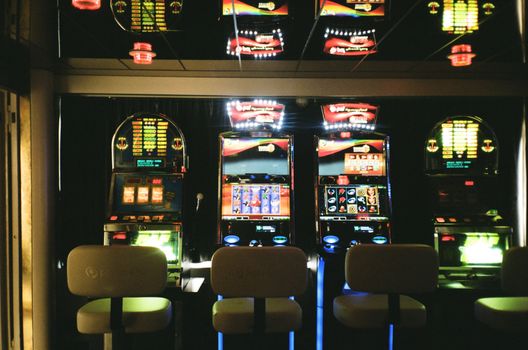
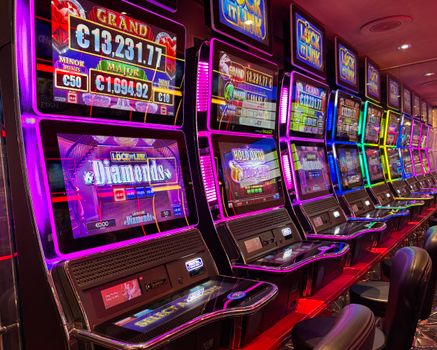
Beyond layout, casinos harness the power of sensory stimulation to influence behavior. Colorful lights, rhythmic sounds, and even carefully chosen scents all play a role in creating an immersive and addictive atmosphere.
For example, the sound of slot machines paying out is deliberately engineered to be more frequent and louder than losing sounds, creating a perception of more frequent wins. According to a 2013 study published in the "Journal of Neuroscience," players exposed to winning sounds—even for small payouts—showed a 20% increase in excitement and a higher likelihood of continuing to play.
Lighting is another critical element. Warm, low lighting tends to relax players and make them feel at ease, while brighter, colorful areas can draw attention to specific games or promotions.
Even scent is used to powerful effect. A famous experiment in Las Vegas found that introducing a subtle floral scent near slot machines led to a 45% increase in revenue in that area, compared to unscented sections. Casinos now often employ signature scents to evoke pleasant emotions and enhance the overall experience.
Furniture, Comfort, and Player Loyalty
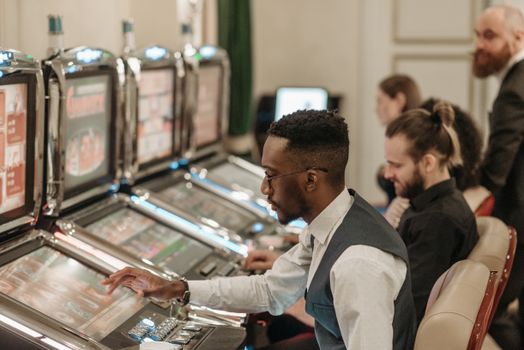
The physical comfort of players is a key focus in modern casino design. Ergonomically designed chairs, padded armrests, and spacious slot machine spacing are all part of a strategy to keep players physically comfortable for extended periods.
A survey conducted by the American Gaming Association in 2021 revealed that 68% of casino visitors valued comfortable seating and ambient environments as one of the top reasons for extending their stay. Even the placement of restrooms, restaurants, and bars is carefully considered to ensure players must pass through gaming areas, increasing the likelihood of spontaneous play.
Loyalty programs are also integrated into the design of casinos. Special lounges, VIP areas, and personalized service zones are strategically placed to both reward frequent players and encourage aspirational spending among regular visitors. The design of these areas often features upscale materials, softer lighting, and increased privacy, creating a sense of exclusivity that fosters brand loyalty.
Comparing Land-Based and Online Casino Design
As the gambling industry evolves, online casinos have risen in popularity, especially since 2020, with global online gambling revenues surpassing $66.7 billion in 2022. While the physical constraints differ, online platforms also employ design principles to influence player behavior. Below is a comparison of key design features in land-based vs. online casinos:
| Design Feature | Land-Based Casinos | Online Casinos |
|---|---|---|
| Layout | Maze or open floor plans; strategic placement of games | Menu navigation, featured game placement, pop-up promotions |
| Sensory Elements | Lighting, sound, scent, tactile feedback | Visual animations, sound effects, haptic feedback on mobile |
| Comfort | Ergonomic chairs, climate control, physical amenities | User interface customization, adjustable display, easy controls |
| Time Cues | No clocks/windows; subdued lighting | Minimal time indicators; immersive full-screen play |
| Loyalty Integration | VIP lounges, exclusive areas | Digital rewards, tiered loyalty programs, personalized offers |
Both environments use tailored design strategies to maximize player engagement, despite technological and spatial differences.
Case Studies: Iconic Casino Designs and Their Effects
A look at some of the world’s most famous casinos reveals how design innovation can dramatically impact player behavior and business success.
The Bellagio in Las Vegas, for instance, revolutionized casino design with its luxurious, open spaces and natural light, moving away from the traditional windowless, maze-like layouts. This approach was intended to attract a wealthier clientele—those more likely to spend larger sums and seek a high-end experience. The Bellagio's design contributed to an increase in average player spend by 24% in its first year, according to MGM Resorts' financial reports.
Macau’s Venetian Resort, the world’s largest casino, uses thematic design to transport visitors to a replica of Venice, complete with indoor canals and gondolas. This immersive environment is more than just aesthetic; it creates a sense of escapism, encouraging guests to linger and explore. The Venetian’s themed design is credited with helping Macau surpass Las Vegas in gambling revenue, topping $36 billion in 2019.
Meanwhile, online casinos like PokerStars and Bet365 have invested heavily in user experience design, using data analytics to refine game placement, promotional banners, and personalized recommendations. These strategies have led to higher player retention rates—PokerStars reported a 30% increase in returning players after introducing a redesigned interface in 2021.
Ethics and the Future of Casino Design
While effective casino design can enhance entertainment and economic success, it also raises important ethical questions. Many design tactics intentionally exploit psychological vulnerabilities, especially among problem gamblers. The debate around responsible design is intensifying, with calls for regulatory oversight to ensure that player well-being is not sacrificed for profit.
In response, some casinos and online platforms have begun to adopt responsible design practices. These include prominent displays for responsible gambling resources, time tracking tools, and voluntary spending limits. For example, in 2023, the UK Gambling Commission introduced new regulations requiring all licensed casinos to implement visible time reminders and easy access to self-exclusion tools.
Looking forward, the integration of artificial intelligence and virtual reality in casino design promises even more personalized and immersive experiences. While these advances could further boost engagement, they also necessitate new safeguards to prevent exploitative practices.
Conclusion: The Lasting Influence of Design on Play
The impact of casino design on player behavior is profound and multifaceted. From the strategic layout of gaming floors to the use of scent and sound, every detail is calibrated to keep players engaged and spending. As both land-based and digital casinos continue to evolve, the role of psychology and design will only grow in importance.
Understanding these influences can empower players to make more informed decisions and encourage the industry to balance profitability with responsibility. Whether you’re stepping onto a bustling casino floor or logging into an online platform, recognizing the subtle cues at play can transform your experience and promote healthier gaming habits.