The History of Gaming Machines: How They Evolved from Mechanical Devices to Digital Platforms
The world of gaming machines is one of constant innovation and evolution. What started as simple mechanical contraptions in the late 19th century has blossomed into a global industry powered by cutting-edge digital technology. Today’s gaming machines—whether found in bustling casinos or on mobile phones—are the result of more than a century of technical ingenuity, shifting cultural attitudes, and regulatory change. Understanding this evolution offers a fascinating window into not just gaming, but technology and society itself.
The Origins: Mechanical Marvels of the Late 19th Century
The story of gaming machines begins in the 1890s, a period marked by rapid mechanical invention and a public fascination with games of chance. The first true gaming machine is widely credited to Charles Fey, a San Francisco mechanic who, in 1895, introduced the Liberty Bell slot machine. This device featured three spinning reels, each adorned with five symbols: horseshoes, diamonds, spades, hearts, and the Liberty Bell itself. Pulling the lever set the reels in motion; matching three Liberty Bells triggered the top prize of 50 cents.
.png)
Fey’s machine was ingenious for its time, using a simple but reliable mechanism to deliver random outcomes. The Liberty Bell’s success inspired a wave of imitators and improvements. By 1908, the Industry Novelty Company had released the Operator Bell, which introduced fruit symbols—cherries, lemons, and plums—still familiar on modern slots.
Mechanical gaming machines rapidly spread throughout the United States, often found in cigar stores, saloons, and barber shops. At the time, strict gambling laws prompted manufacturers to offer “prizes” such as chewing gum or tokens instead of cash payouts. Despite, or perhaps because of, these legal gray areas, mechanical slot machines became a cultural icon.
The Electromechanical Revolution: Lights, Sounds, and New Possibilities
The next major leap in gaming machine technology came in the mid-20th century with the advent of electromechanical devices. In 1963, Bally Technologies launched Money Honey, the first fully electromechanical slot machine. This innovation replaced many of the purely mechanical components with electrical systems, allowing for more complex gameplay, automatic payouts of up to 500 coins, and the dazzling lights and sounds that remain a hallmark of slots today.
Electromechanical machines also introduced new features to entice players, such as multi-coin bets and the first “hold” and “nudge” functions, which gave players a sense of influence over game outcomes. These machines were so reliable and engaging that by the late 1970s, mechanical slots had all but disappeared from casinos.
The era also saw the introduction of the first video poker machines in 1976, developed by the Fortune Coin Company in Las Vegas. These used television screens to simulate slot reels, laying the groundwork for the next technological revolution.
The Digital Age: Microprocessors and the Rise of Video Gaming Machines
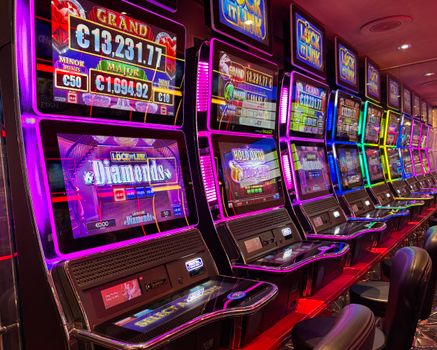
The 1980s and 1990s ushered in the digital era, powered by the development of microprocessors and integrated circuits. Modern slot machines and gaming devices now relied on computer chips, random number generators (RNGs), and sophisticated software to determine outcomes. This shift not only made games more secure and fair but also enabled the creation of an astonishing array of themes, graphics, and bonus features.
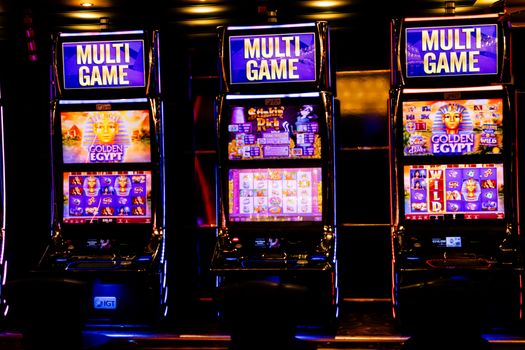
Video slots, first popularized in the 1980s, offered virtual spinning reels displayed on screens, rather than physical reels. This allowed designers to create more lines, more symbols, and immersive storylines that kept players engaged for longer. By the early 2000s, video slots accounted for over 70% of the gaming machines found in Las Vegas casinos.
The digital age also saw the introduction of networked progressive jackpots—games linked across multiple machines or even casinos, pooling a portion of each wager to create massive prize pools. In 2003, the Megabucks slot machine awarded a record-breaking jackpot of $39.7 million to a lucky player in Las Vegas, highlighting just how far gaming machines had come from their humble origins.
Online and Mobile Gaming: The Platform Revolution
The internet revolutionized nearly every aspect of modern life, and gaming machines were no exception. In the mid-1990s, the first online casinos appeared, offering digital versions of popular slots and video poker. These platforms made it possible to play for real money from the comfort of home, attracting millions of new players and sparking a surge in game development.
By 2024, the global online gambling market was valued at an estimated $92.9 billion, with online slots and virtual gaming machines making up the largest share. Advances in mobile technology further accelerated this trend, with smartphones and tablets now accounting for over 55% of all online gaming activity.
Modern digital platforms offer a dizzying variety of games and features. Players can enjoy 3D graphics, interactive bonus rounds, and even live dealer games that blend video streaming with random number generators. Regulatory frameworks have also adapted, with robust age verification, responsible gaming tools, and fair play audits all standard in reputable online casinos.
Comparing Gaming Machine Eras: A Data Overview
The evolution of gaming machines is best understood by comparing their key features, technology, and impact across different eras. The table below summarizes the most significant milestones:
| Era | Key Technology | Popular Game Types | Max Payout | Notable Innovation |
|---|---|---|---|---|
| Mechanical (1890s–1960s) | Springs, levers, gears | Reel slots | 50 cents (Liberty Bell) | First automatic payout |
| Electromechanical (1960s–1980s) | Electrical components | Slots, video poker | 500 coins (Money Honey) | Lights, sounds, automatic payout |
| Digital (1980s–2000s) | Microprocessors, RNGs | Video slots, progressive jackpots | $39.7 million (Megabucks, 2003) | Networked jackpots, bonus games |
| Online & Mobile (2000s–Now) | Web, mobile apps, cloud | Online slots, live dealer games | Varies (often millions) | 3D graphics, mobile play, live streaming |
The Cultural Impact of Gaming Machines
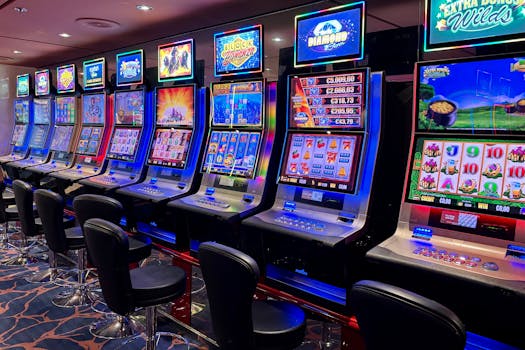
Gaming machines have done more than just entertain—they’ve also influenced popular culture, economics, and even public policy. In Las Vegas, slot machines alone generated over $7 billion in revenue in 2022, accounting for more than 60% of casino earnings. The distinctive sounds, lights, and imagery of slots have become synonymous with the excitement and glamour of the casino experience.
Beyond the casino floor, gaming machines have inspired movies, music, and art. The “one-armed bandit” has appeared in countless films and television shows, symbolizing both the thrill of risk and the hope of instant fortune. Meanwhile, the rise of online gaming has made these experiences accessible to a global audience, breaking down barriers of geography and social class.
Yet, gaming machines have also raised important questions about addiction, regulation, and social responsibility. Modern machines are designed to be engaging and immersive, leading to concerns about problem gambling. This has prompted both industry and governments to introduce safeguards, including self-exclusion tools, spending limits, and public awareness campaigns.
The Future of Gaming Machines: Where Innovation Is Headed
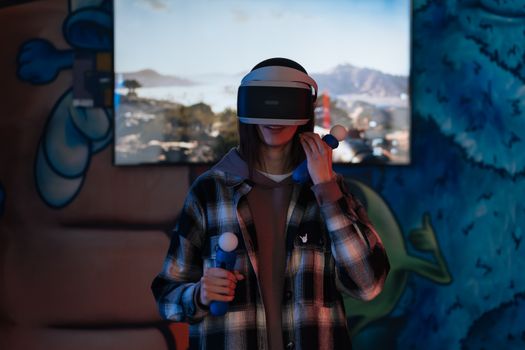
As technology continues to advance, the future of gaming machines looks both exciting and unpredictable. Artificial intelligence, virtual reality, and blockchain are all poised to shape the next generation of games. Already, some casinos are experimenting with VR slots and skill-based gaming machines that blend elements of video gaming and gambling.
Regulatory trends also point toward greater transparency, player protection, and fair play. In the European Union, new rules introduced in 2023 require all digital slots to display real-time odds and return-to-player percentages, helping players make informed choices.
Meanwhile, the integration of cryptocurrencies and blockchain technology is enabling provably fair gaming, giving players unprecedented confidence in the integrity of digital platforms. Industry experts predict that by 2030, up to 30% of all gaming machine revenue could come from decentralized, blockchain-based platforms.
Final Reflections on the Evolution of Gaming Machines
From the clattering reels of the Liberty Bell to the immersive worlds of today’s online slots, gaming machines have always been at the cutting edge of entertainment technology. Each new era has brought innovation, opportunity, and new challenges. As gaming machines continue to evolve, they reflect not just advances in engineering, but changing ideas about chance, skill, and fun.
Their journey from mechanical marvels to digital platforms is a testament to human ingenuity and our enduring love of play. Whether you’re a casual player spinning the reels on your phone, or a historian tracing the roots of modern casinos, the story of gaming machines offers a fascinating glimpse into the intersection of technology, culture, and human imagination.